
Interior Harmony use the latest Bona, Frank and Lagler "Dust Free" sanding equipment to capture over 98% of the dust created. However, there may still be a small amount of dust but this will be minimal.
We would normally need a room to be completely cleared of furniture, it might be a good idea to remove curtains, delicate objects and pictures from walls too.
Where access is required through the areas being refinished (eg Hallways) please bear in mind that access will not be possible for approximately 8 hours or until the wax/Lacquer has dried.
You will be advised of drying times.
Wooden floors are a natural material.
Wood is by its nature hygroscopic, meaning it can absorb humidity from the surrounding atmosphere. In more humid conditions the boards will expand and in drier conditions (for example in the winter, when the central heating is on) the boards can contract leaving gaps.
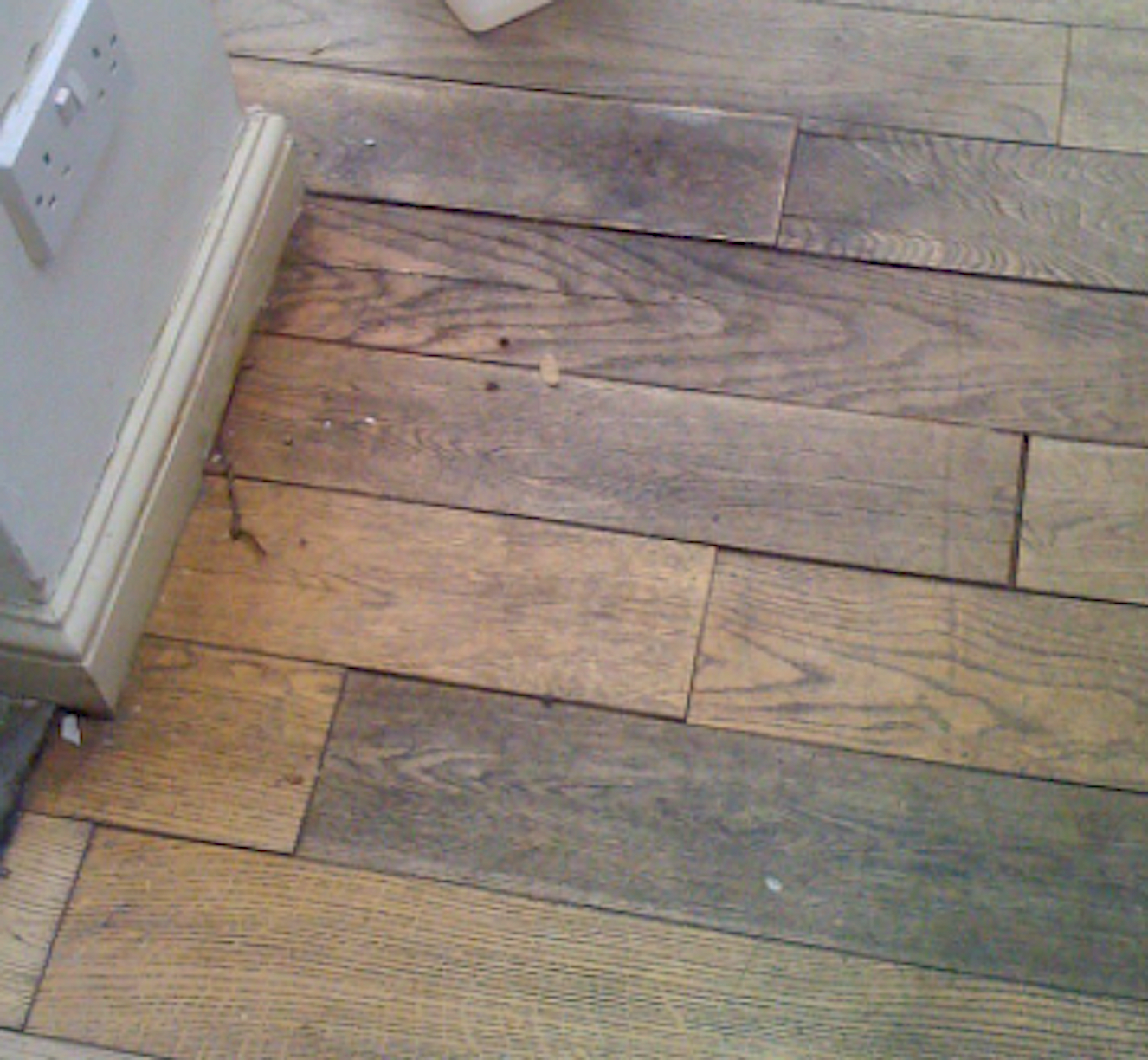
Although we have various options for filling gaps in the boards there is always the possibility that some gaps will come and go with the changing seasons. In some cases it may actually be best to leave the gaps unfilled.
Normally when the floor is sanded any nails are punched below the surface of the boards.
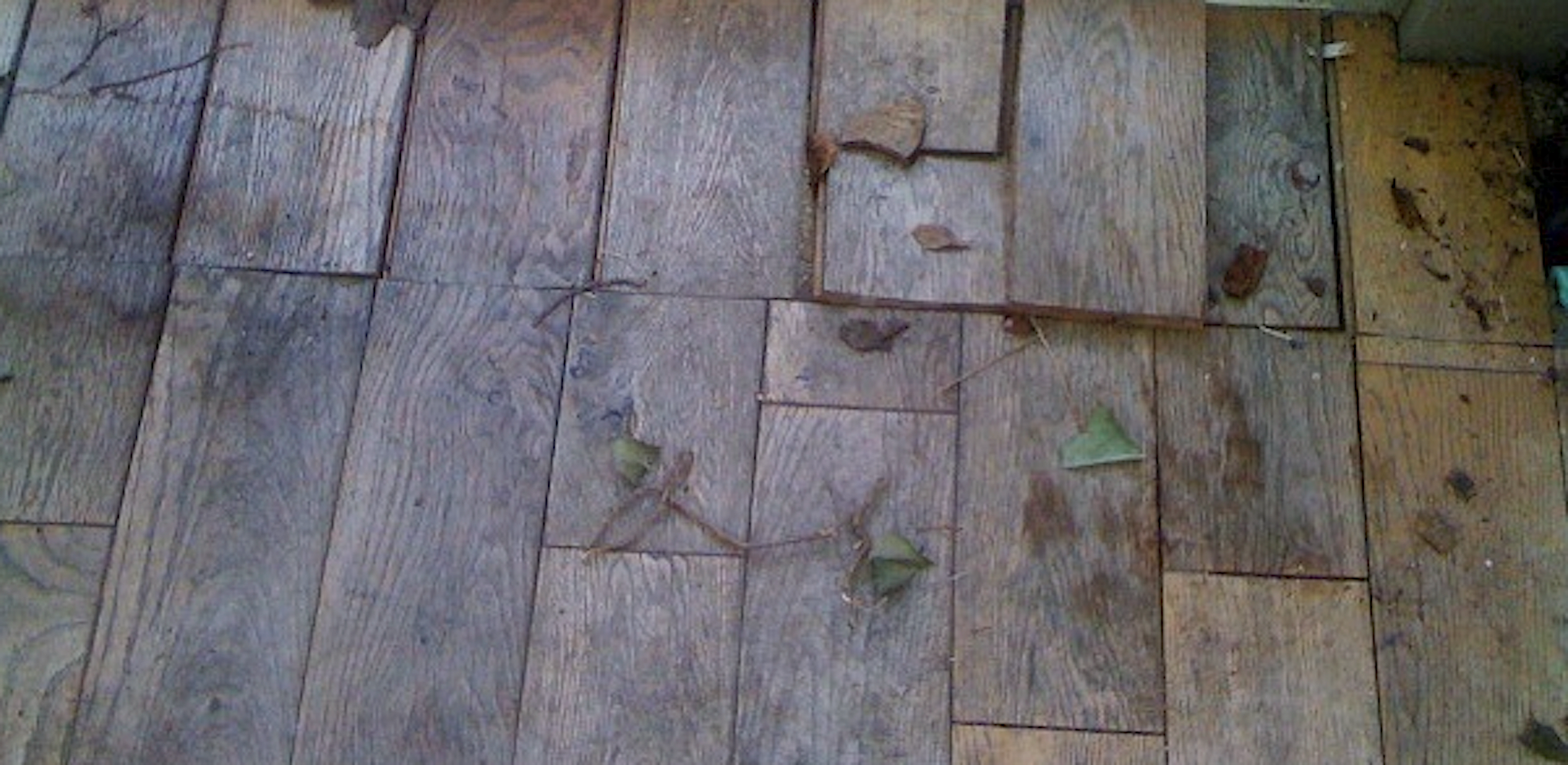
The nail holes are typically filled using a mixture of the sanding dust and a special resin.
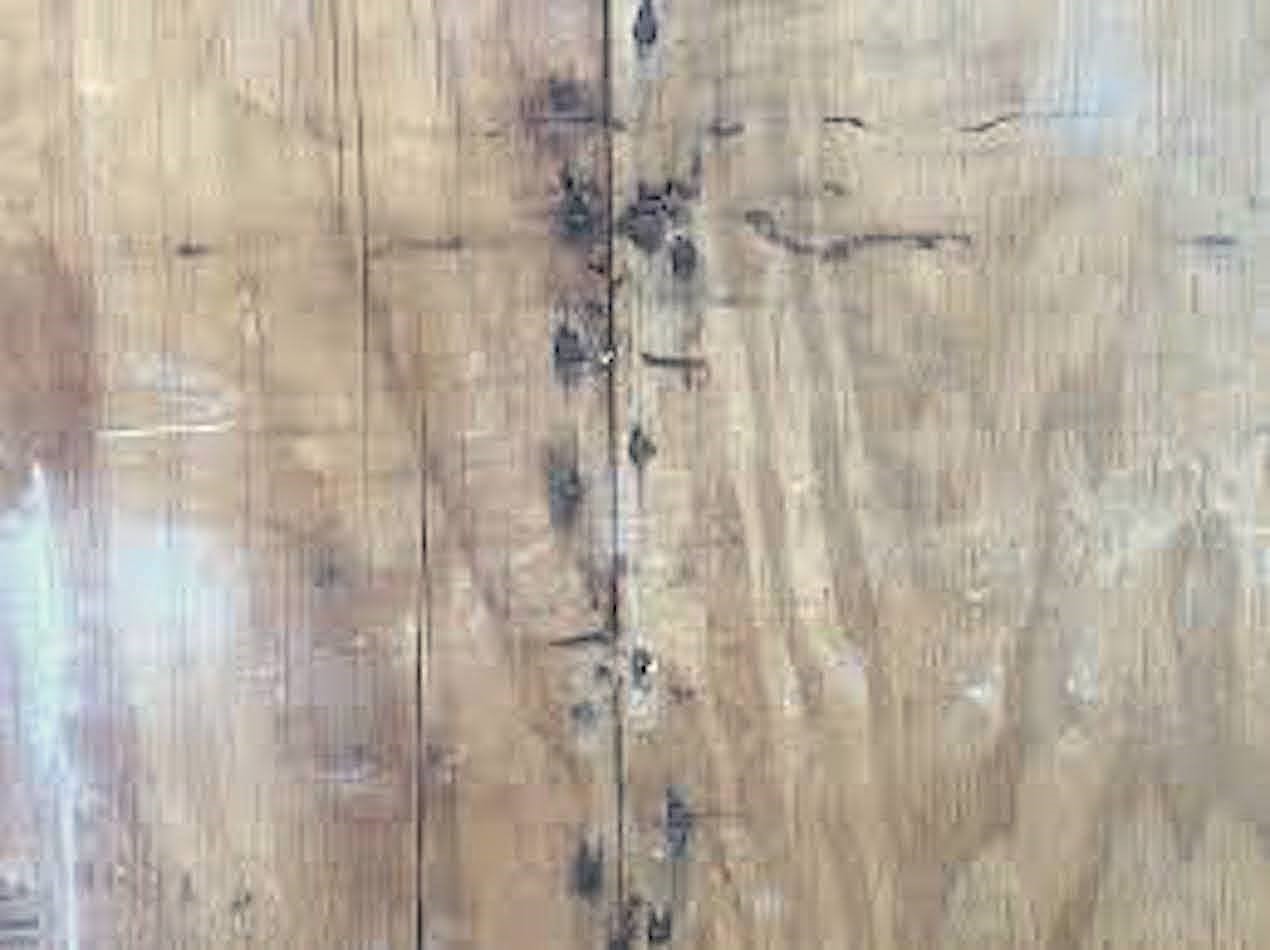
However, some old nails may have rusted over the years causing an area of discolouration around the nail hole, which can not always be removed. Cuts and deep gouges may also prove to be too deep to be removed completely.
Our sanding operatives are highly skilled in the application of surface finishes, but please bear in mind that the finishes are applied by hand. In certain light conditions some brush strokes and spidering may be visible, this is considered to be normal and not considered to be a fault.
Get in touchInterior Harmony Flooring Ltd, Registered Company No. 4955506. Registered in England and Wales. VAT Number 567 5869 74
© 2024 Interior Harmony All rights reserved. | Privacy Policy | Web design by Dsgn One